






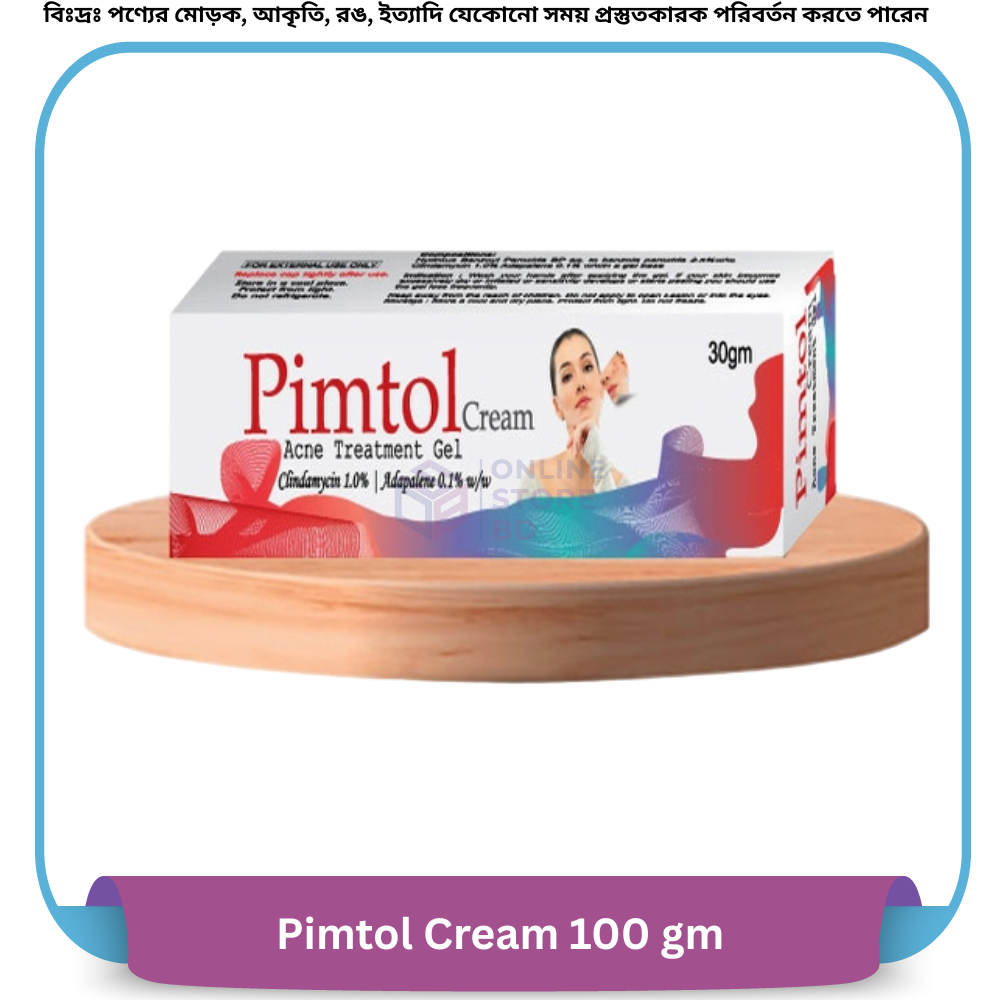
Pimtol Cream 100 gm
+88 01336 242 801
-

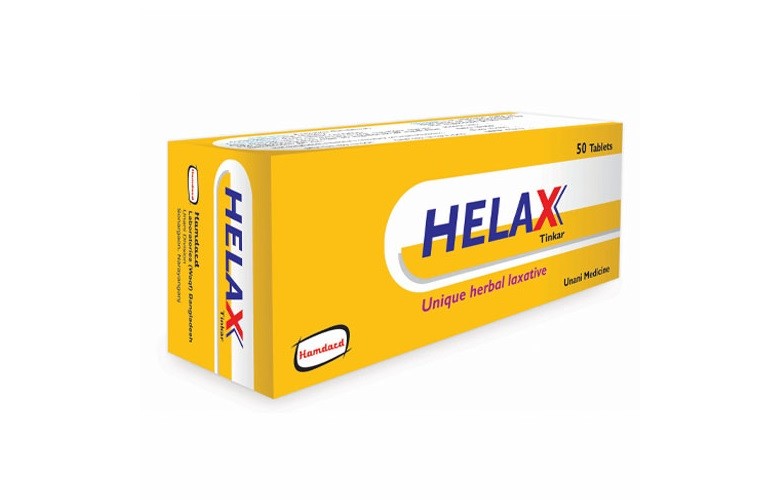
Helax Tabler 50's pack
৳144.00 -
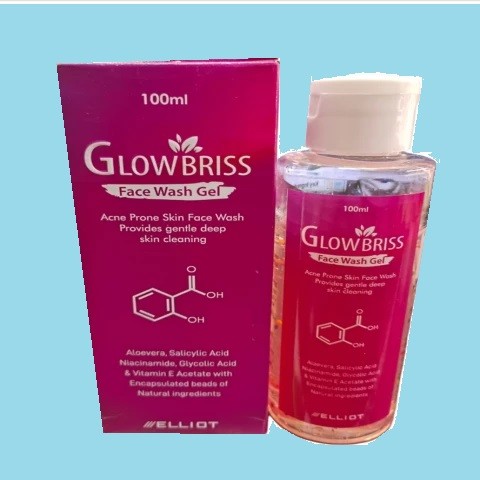
Glow Briss Face Wash 100 ml
৳1,175.00 -
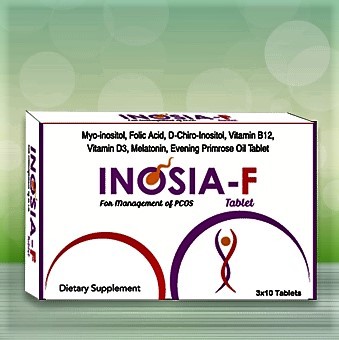
Inosia-F Tablet 30 pcs
৳2,227.80 -
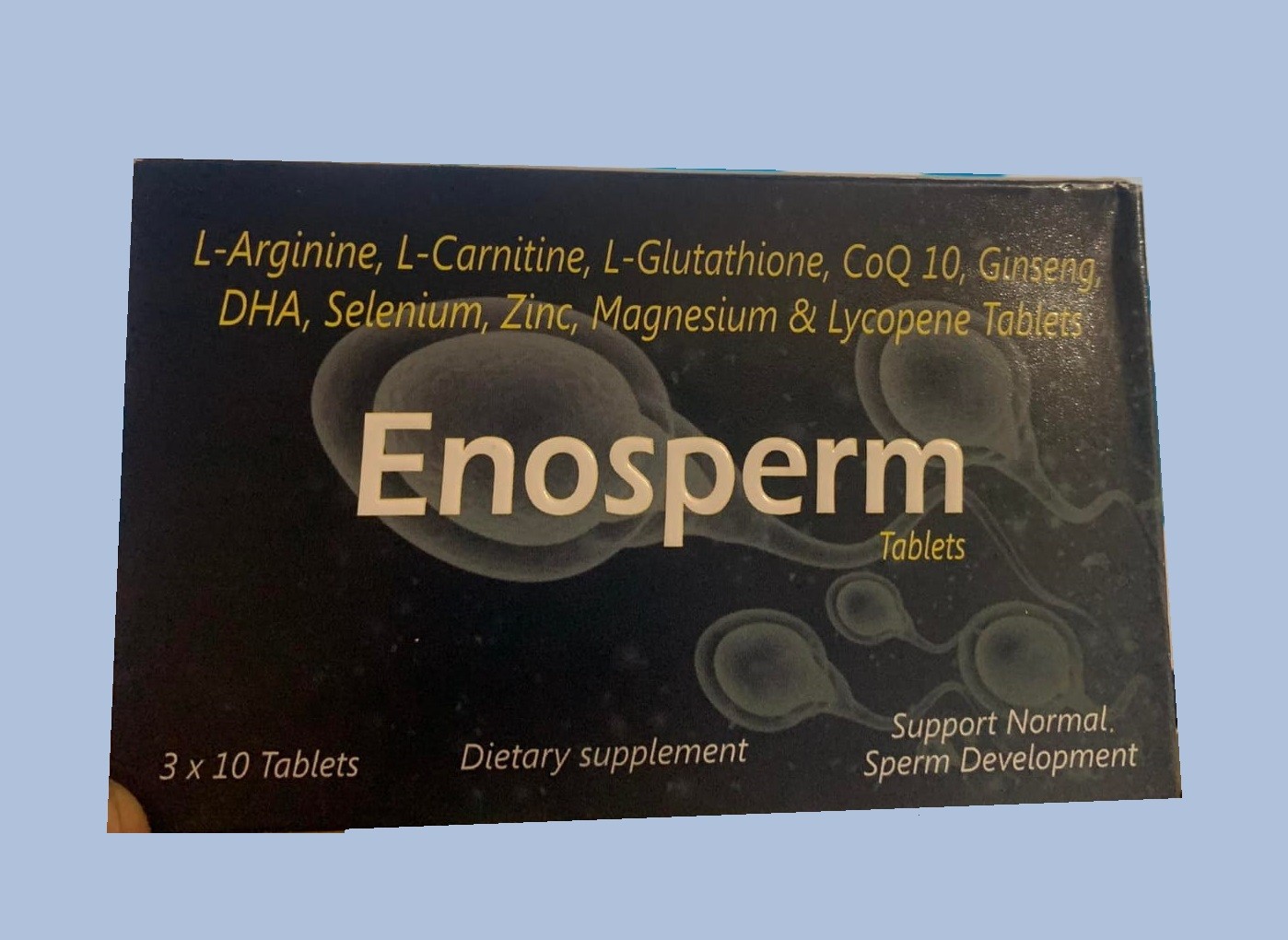
Enosperm Tablet 30 pcs
৳1,847.10 -
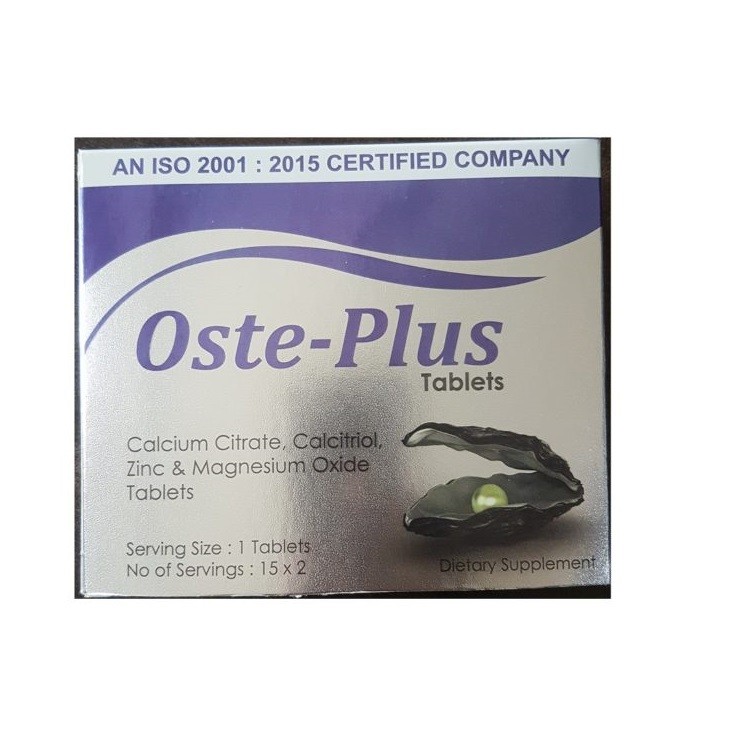
OSTE-Plus Tablet 30's pack
৳653.30

Pimtol
Cream is
topical medications designed to treat mild to moderate acne vulgaris (pimples).
They typically combine active ingredients, such as antibiotics and retinoids,
to target different aspects of acne formation, including bacteria growth,
inflammation, and clogged pores.
Benefits
of Pimtol Cream:
The
primary benefits of these types of creams for acne sufferers are to:
Ø Treat acne: Help
resolve existing acne, pimples, whiteheads, and blackheads.
Ø Reduce inflammation: Lessen the redness and
swelling associated with breakouts.
Ø Prevent future breakouts: Inhibit the growth of
acne-causing bacteria and normalize skin cell turnover.
Ø Improve skin appearance: Promote clearer, more
even-toned skin and help fade marks left by previous pimples.
Ingredients
of Pimtol Cream:
Common
active ingredients found in over-the-counter and prescription acne creams
include:
Ø Antibiotics: Clindamycin is
a frequent choice, which suppresses bacterial protein synthesis to inhibit the
growth of Propionibacterium acne.
Ø Retinoids: Tretinoin or Adapalene are often used to
decrease the cohesiveness of follicular epithelial cells, increasing cell
turnover and bringing comedones (clogged pores) to the surface.
Ø Other Potential Ingredients: Nicotinamide
(Vitamin B3) can regulate oil production and act as an anti-inflammatory agent,
while some natural creams use ingredients like neem seed oil or tea tree
oil.
Usage
Instructions of Pimtol Cream:
Specific
instructions may vary by product, but general usage guidelines for topical acne
creams include:
Ø Frequency: Apply typically once or twice daily, or as
directed by a healthcare provider.
Ø Application:
- Wash the affected area
gently with a mild soap and water, then pat the skin dry.
- Apply a thin film of the
cream to the entire affected area, not just individual spots.
- Wash hands thoroughly before and
after use.
Ø Precautions:
- Avoid
application
to the eyes, lips, nose, or any cuts, abrasions, or sunburned skin.
- Avoid
concomitant
use of other potentially irritating topical products without consulting a
doctor.
- Limit sun exposure and use
sunscreen, as these products can increase sun sensitivity.
Side
Effects of Pimtol Cream:
Most
side effects are localized and temporary, usually diminishing with continued
use. Common side effects may include:
Ø Dryness or scaling of the skin
Ø Burning, stinging, or a warming sensation at the
application site
Ø Redness (erythema) or itching
Ø Skin irritation
Related products


Contact Info
- Address: South Banasree, Rampura, Dhaka
- Phone: 01336 242 801
- Email: order@onlinestorebd.com
