






-

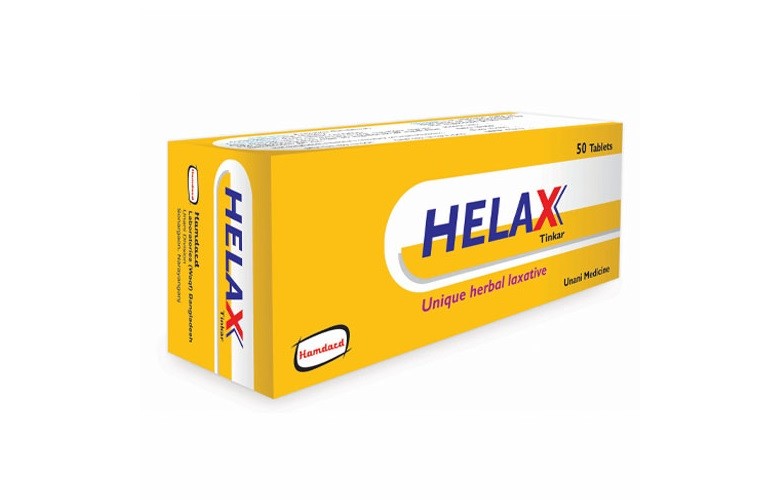
Helax Tabler 50's pack
৳144.00 -
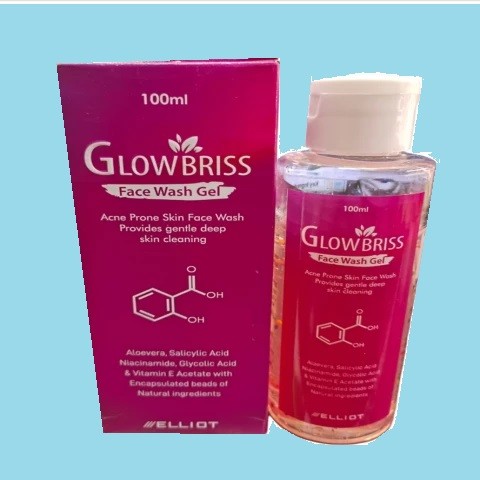
Glow Briss Face Wash 100 ml
৳1,175.00 -
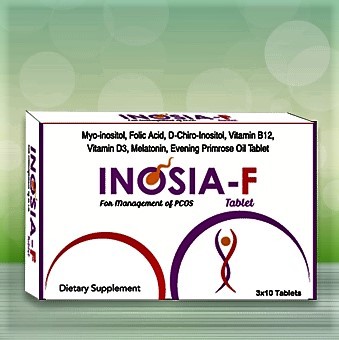
Inosia-F Tablet 30 pcs
৳2,227.80 -
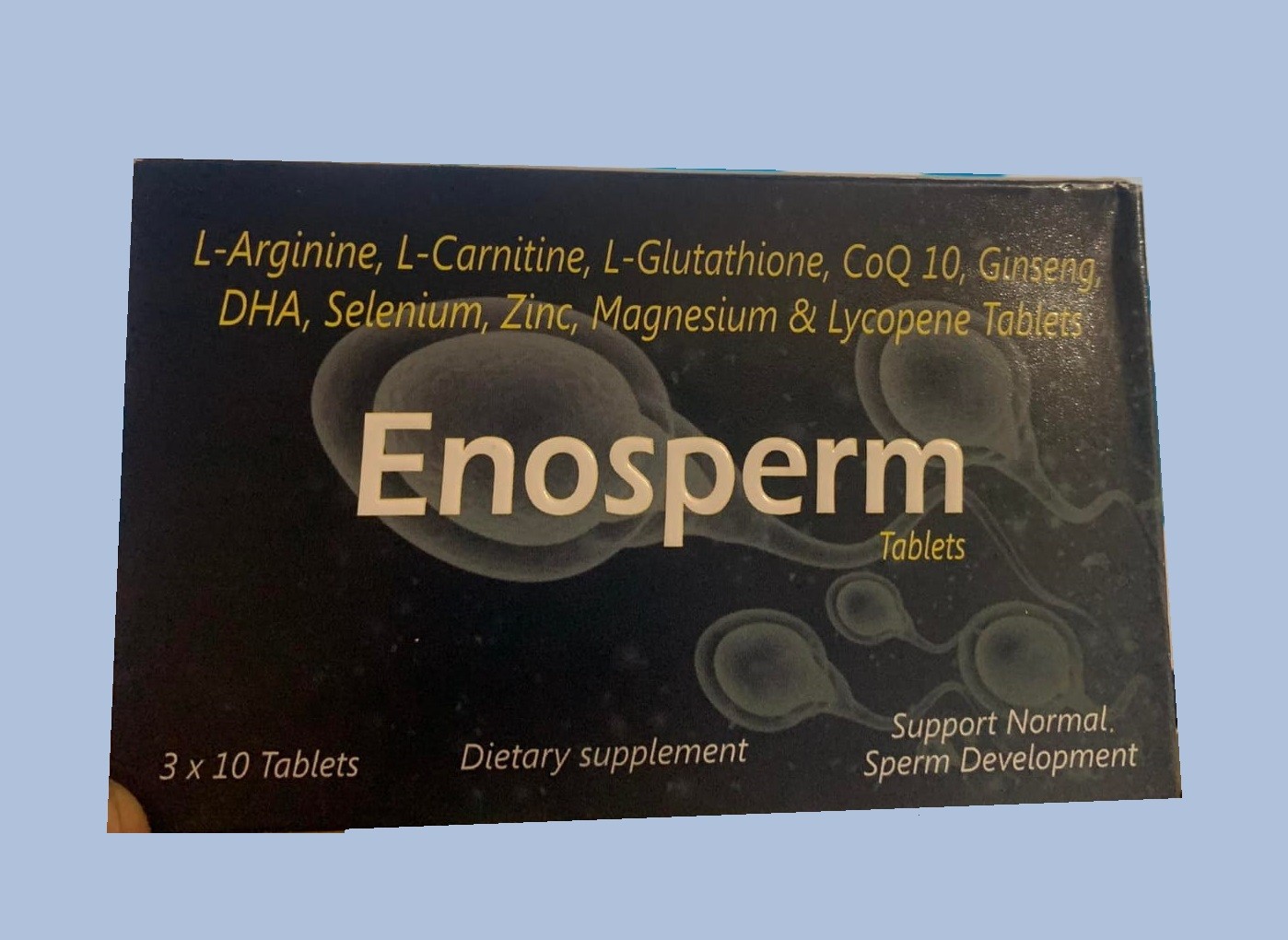
Enosperm Tablet 30 pcs
৳1,847.10 -
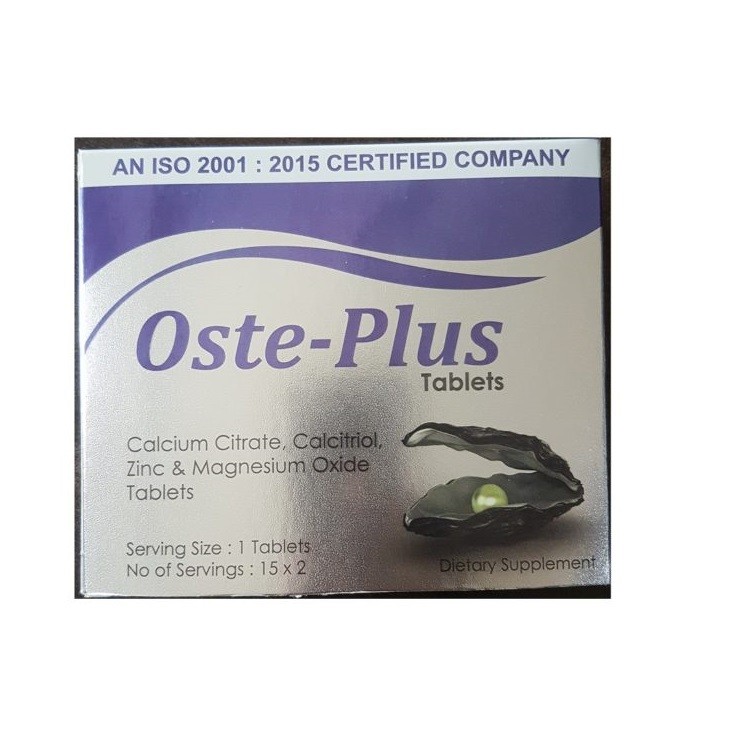
OSTE-Plus Tablet 30's pack
৳653.30

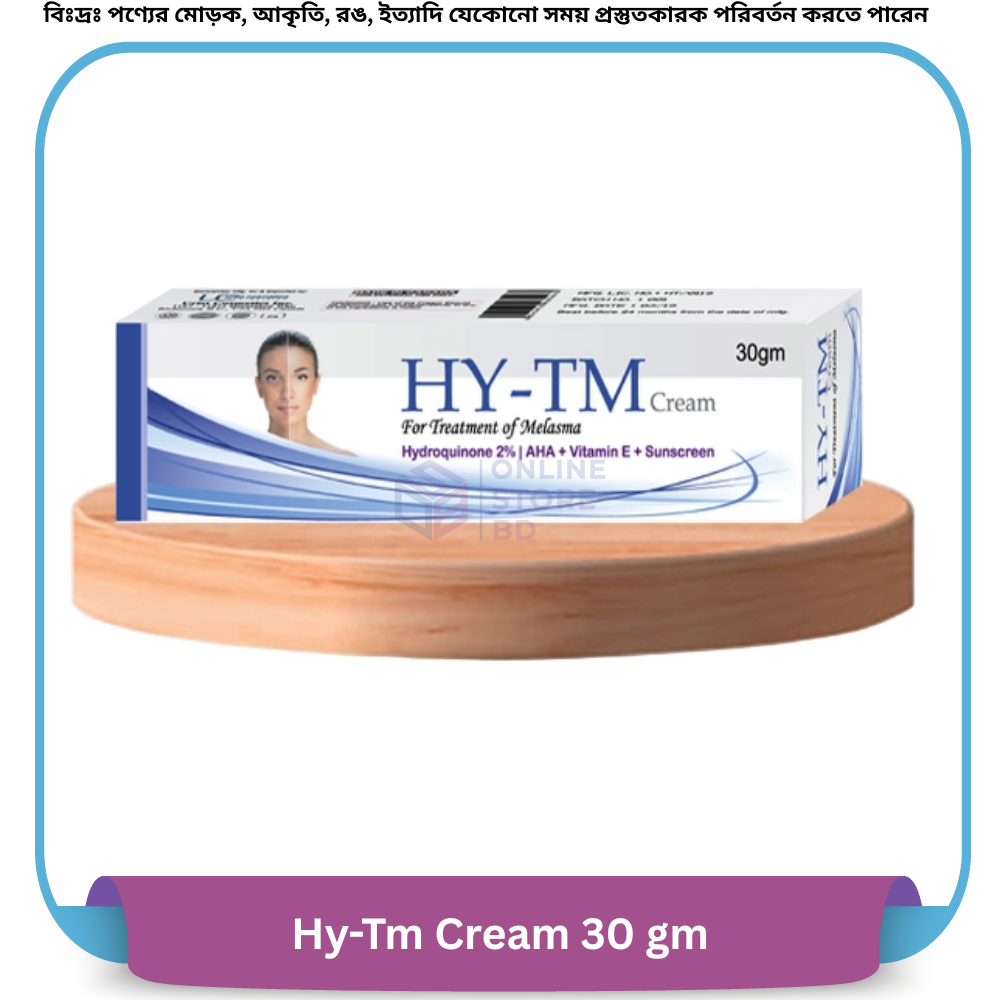
Hy-Tm Cream is
a combination topical cream that contains a skin-lightening agent
(hydroquinone), a corticosteroid (mometasone), and a retinoid (tretinoin). This
combination works synergistically to reduce hyperpigmentation, inflammation,
and improve skin texture. It is a potent formulation intended for specific
dermatological conditions and should be used under medical supervision.
Benefits
of Hy-Tm Cream:
The
primary benefits of Hy-Tm Cream include:
Ø Melasma Treatment: Effective for the short-term treatment of mild
to moderate melasma (dark, discolored patches on the skin).
Ø Blemish Reduction: Helps to reduce the appearance of scars,
marks, and blemishes.
Ø Dark Circle Reduction: May help in reducing dark
circles under the eyes.
Ø Skin Tone Improvement: Promotes a more even and
brighter skin complexion.
Ingredients
of Hy-Tm Cream:
The
main active ingredients in Hy-Tm Cream are a combination of three
compounds:
Ø Hydroquinone: A depigmenting agent
that inhibits melanin production to lighten the skin.
Ø Mometasone Furoate: A
potent corticosteroid that reduces inflammation, redness, and itching.
Ø Tretinoin: A form of Vitamin A (retinoid) that increases skin
cell turnover, helping to exfoliate and promote new skin growth.
Usage
Instructions of Hy-Tm Cream:
Ø Frequency: Apply the cream once daily, typically at night, or
as directed by a healthcare professional.
Ø Application: Apply a thin film of
the cream to the affected areas only. Gently massage until fully absorbed.
Ø Duration: Do not use for more than 6-8 weeks continuously
without consulting a doctor.
Ø Sun Protection: Always use
sun-avoidance measures, such as applying sunscreen and wearing protective
clothing, as the ingredients can increase sun sensitivity.
Ø Precautions: Avoid applying the
cream on broken or infected skin.
Side
Effects of Hy-Tm Cream:
Common
or potential side effects of the active ingredients may include:
Ø Skin irritation, redness, or burning sensation at the
application site.
Ø Dryness and peeling of the skin.
Ø Itching or stinging.
Ø Increased sensitivity to sunlight.
Related products


Contact Info
- Address: South Banasree, Rampura, Dhaka
- Phone: 01336 242 801
- Email: order@onlinestorebd.com
